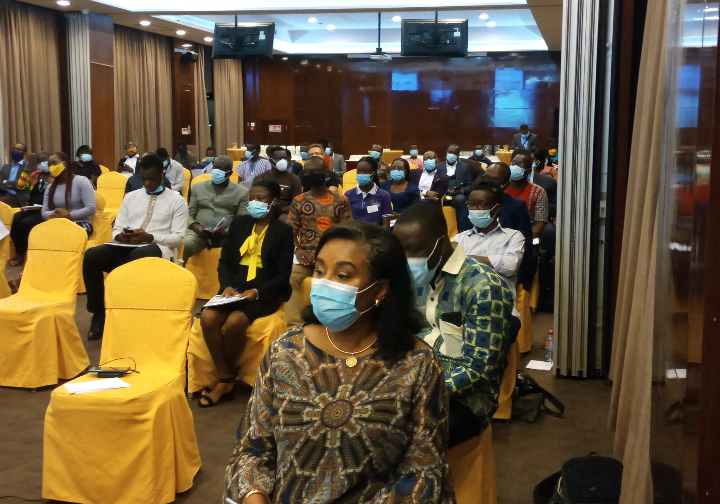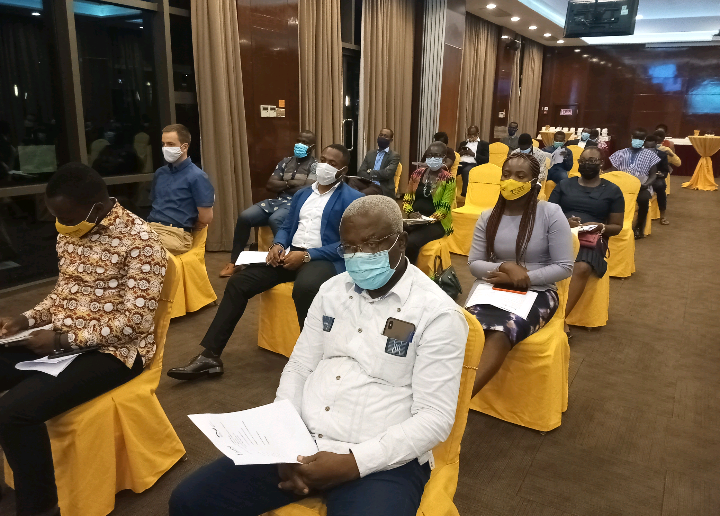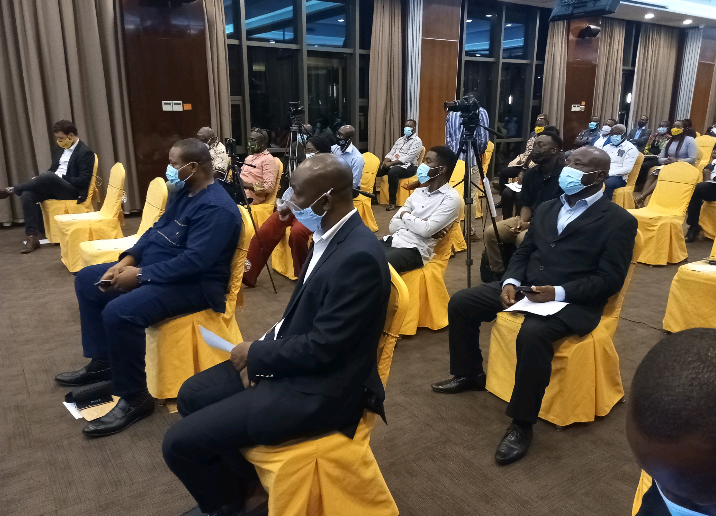
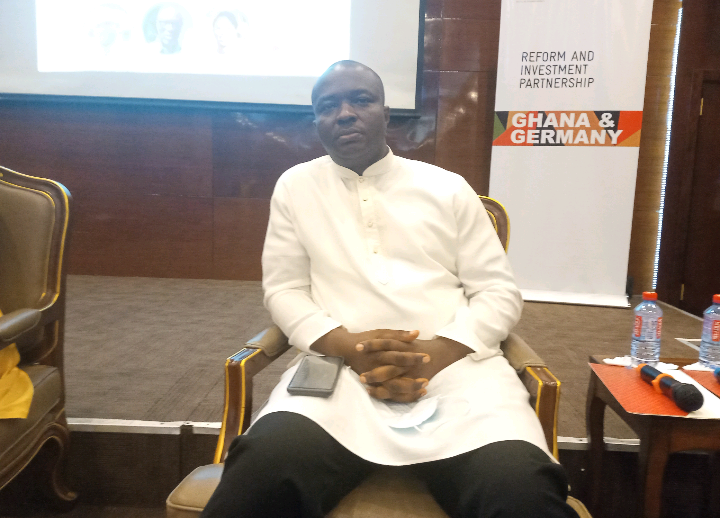
The IMANI Centre for Policy and Education and GIZ have organised a policy dialogue on how Ghanaian businesses coped and are faring with the Covid-19 pandemic.
The policy dialogue engaged top business executives to discuss the business challenges that accompany the pandemic, focusing on the period before the first case was confirmed in Ghana, when the cases in Ghana increased, during the lock-down, post-lockdown and the challenges that may persist in the foreseeable future.
Also, the opportunities that emerge as a result of the health crisis, focusing on the early stages to the lock-down, the post-lockdown period and the ones that would persist in the foreseeable future and how the challenges and opportunities are matched at the firm, industry and sectoral levels were discussed.
The event also brainstormed how the private and public sector can work to promote the business climate so as to achieve a faster economic recovery.
Various business owners (small, medium and large) as well as financial institutions that are private sector focused were brought together.
Speaking at the event, Team Lead of MSIMPS, Mabel Simpson indicated the pandemic was a ‘blessing’ for them since they were able to restrategise to remain in business.


“We created opportunities that kept us in business. We made and supplied face masks and other things so it was good for us. But it was bad for those who couldn’t restrategise,” she said.
Managing Partner of AB and David Business Law firm, David Ofosu-Dorte, said businesses should learn to be unconventional, with the Covid-19 experience as a guide.

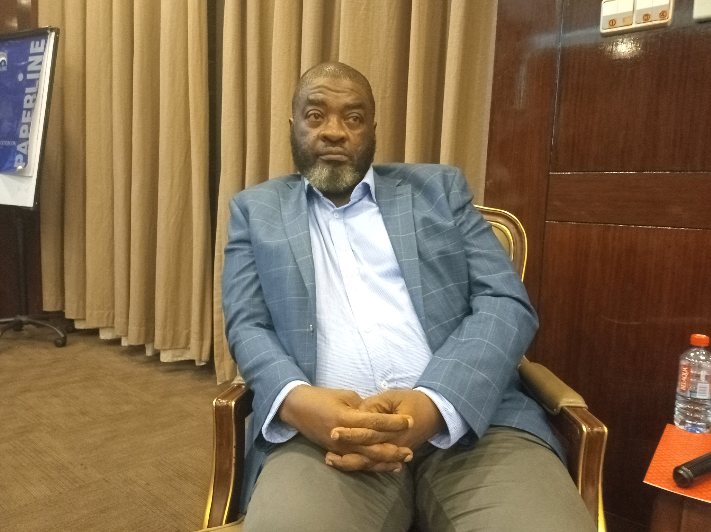
Mr. Ofosu-Dorte said many businesses saw the virus as the only thing happening, whilst many things were happening already, including the financial sector challenges.
Covid-19, according to him was only a trigger to the many things that were happening at the same time.
He, however, sees no change occurring after the pandemic with past disaster experiences as far as disasters are concerned in Ghana.
“Let’s look at the stadium disaster in 2001, have we changed how we do our things in our stadia after that? The June disaster at Circle, haven’t we had flooding and other fire outbreaks there afterwards? This Covid-19 is another disaster and we are not going to learn anything from it,” he narrated.
National Executive Director of the Ghana National Council of Private Schools (GNACOPS), Enock Kwasi Gyetuah disclosed some of the challenges part of their members are facing due to closure of schools.
Some proprietors are facing prosecution due to failure to fulfil statutory payments according to him.
“Private schools have been hardly hit due to the closure of schools and statutory payments we are supposed to make. Some of our members are even being prosecuted by SSNIT due to failure to fulfill the payments,” he indicated.

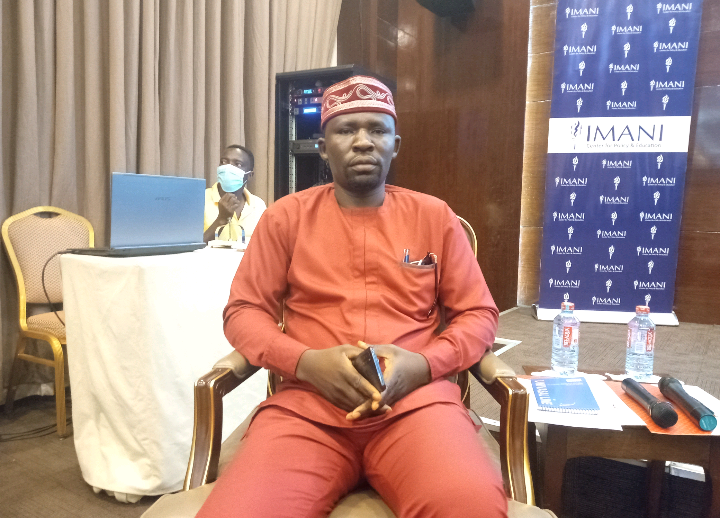
However, Ghanas Online checks with SSNIT revealed schools that are unable to operate due to the pandemic could inform them to suspend their payments. This, according to SSNIT is an existing convention that all businesses that are unable to operate at certain points in time adopt. SSNIT indicated they cannot inform all private schools to suspend payment because others schools are running virtual classes, paying teachers and therefore obeying their statutory requirements. SSNIT said those facing prosecution could be those who have failed to honour their obligations over the past years.
Additionally, President of the Ghana Union of Traders’ Association (GUTA), Dr. Joseph Obeng, expressed how productivity had to halt due to the inability of their goods to arrive from China, where the virus emanated.
Dr. Obeng explained productivity ceased because only 10% of their raw materials are obtained from the whole of West Africa whilst the remaining 90% are imported.

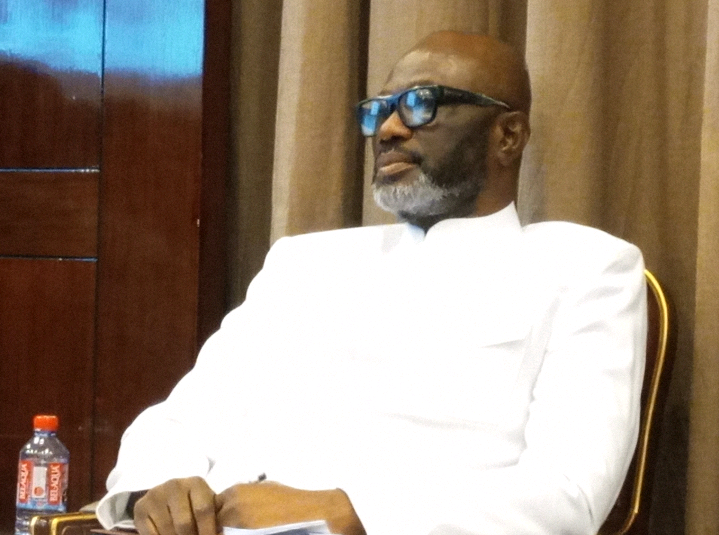
Chief Executive Officer of the Chamber of Bulk Oil Distributors, Senyo Hosi, was of the view that Covid-19 had less destructive impact on Ghana health-wise.
He said “Ghana hasn’t positioned itself to take advantage” of the opportunities that the pandemic presented.
Read also: Covid-19: Senyo Hosi bemoans Ghana’s policy-deficiency in business opportunities

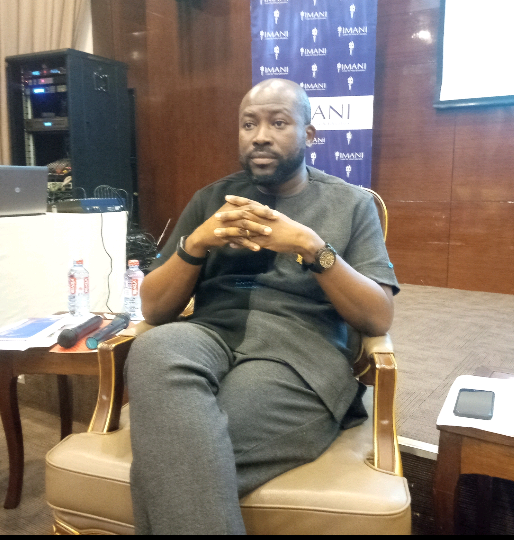
Meanwhile, President of the Ghana Association of Bankers, John Awuah, said the pandemic made people adapt to the digitisation of the banking sector due to the fewer options they were left with.
Mr. Awuah said 23 different banks met to discuss how they could proffer financial assistance for businesses to thrive amidst the pandemic, making them “got involved in government initiatives which we were not even invited.”
Other panel that shared their experiences over the period at the dialogue included the Chief Executive Officer of Meannan Foods, Charity Annan Adupong.
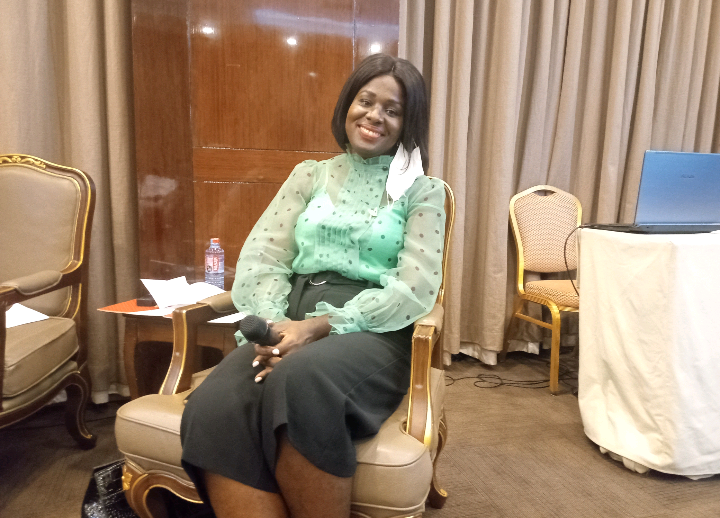
She shared how they produced and made direct distribution to consumers, increasing their production cost, but adding they made extra revenue due to the direct distribution to consumers.
Let alone, CEO of Agriculture and More Ltd., Nlaliban Wujangi, said his company processed more yam and made profit despite the difficulty they encountered with transportation, especially during the lockdown.
Founder of the Ghana Economic Forum, Dr. Edith Dankwa noted the pandemic “came to test how resilient businesses are. Those who couldn’t stand the shock went down, whilst those who did something different survived”, as her outfit did.
She expressed how the banks financial assistance pivoted their businesses, increasing their profit margins over the period.


Also present at the dialogue were former deputy Minister of Finance and Economic Planning, Mona Helen Quartey, Executive Director of the African Centre for Energy Policy, Benjamin Boakye, University of Ghana Business School’s Prof. Godfred Alufar Bokpin and IMANI’s Franklin Cudjoe amongst others.