RoNAG courts support for Adansi Asokwa District Police to fight ‘galamsey’, allied crimes
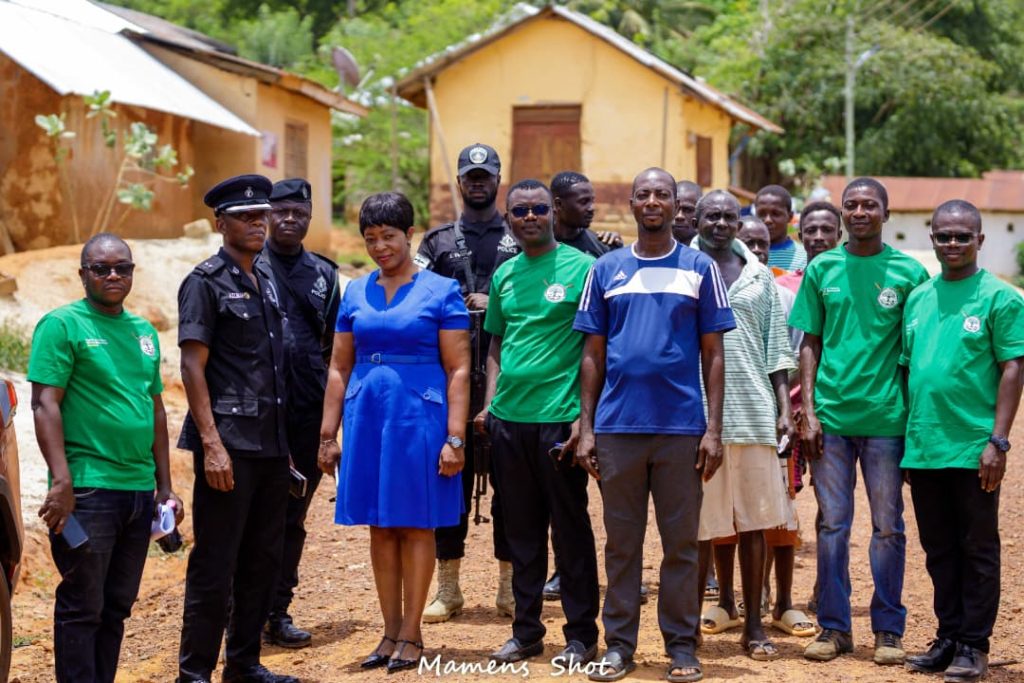
As part of measures to fight illegal mining, the Rights of Nature Ghana Movement (RoNAG) has called on residents within the Adansi Asokwa and its enclave to support the police in curbing the canker and other crimes.
As illegal mining continues to pose serious challenges across parts of Ghana, the role of local law enforcement in maintaining order and enabling community dialogue has never been more critical.
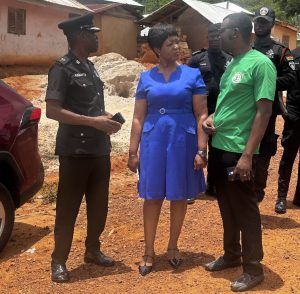
This was evident during a recent engagement in Atatem, in the Adansi-Asokwa district, where confrontations from armed men reportedly linked to some top officials threatened to derail a meeting organized by the Rights of Nature Movement Ghana.
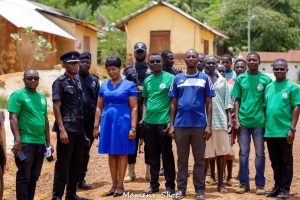
The intervention of the District Police Unit led by Superintendent of Police (Supt.) David Azumah and crime officer Assistant Superintendent of Police Ms. Regina Mensah de-escalated the situation and allowed the engagement to continue.
The incident serves as a reminder that effective community advocacy in mining-affected areas cannot succeed in isolation. It requires the active support of law enforcement agencies equipped and empowered to respond swiftly. Strengthening the capacity of district police units remains essential not only to address confrontations but also to take sustained action against illegal mining and its far-reaching consequences.
Illegal mining, widely known as galamsey, has been linked not only to environmental degradation but also to broader social and public health challenges. The destruction of water bodies, including rivers such as the Gyeme in nearby Atatem, and the presence of harmful substances like mercury and lead in water sources, underscore the urgency of decisive action.
While the responsibility to curb illegal mining is shared among multiple stakeholders, the district police unit remains at the forefront of enforcement efforts. However, like many local security outfits, their effectiveness is often constrained by limited logistics, including inadequate transportation and a lack of essential operational equipment.
The Rights of Nature Ghana Movement (RoNAG) argues that strengthening the logistical capacity of the police is a necessary step toward ensuring sustained and effective enforcement. With better resources, the police would be better positioned to respond swiftly to illegal mining activities, monitor affected areas, and collaborate with other agencies to uphold the law.
At the same time, it is important to acknowledge the complexity of the issue. For many individuals, illegal mining remains a source of livelihood in the face of limited economic opportunities. This reality highlights the need for a balanced approach, one that combines law enforcement with social interventions, including job creation and alternative livelihood programs.
RoNAG emphasizes that supporting the police should not be viewed solely as a security measure but as part of a broader strategy to protect communities, preserve natural resources, and safeguard public health. Without adequate enforcement, efforts to promote environmental sustainability and initiatives such as the Rights of Nature risk being undermined.
As the conversation continues, RoNAG is calling for coordinated action involving government agencies, local authorities, civil society, and community members. Ensuring that the Adansi-Asokwa District police unit is well-equipped may prove to be a crucial step in the collective effort to address illegal mining and its far-reaching consequences.
Galamsey fight: Media General’s GCOO ‘writes a memo’ to the gods, ancestors
About The Author